Wishingly: A Flowing Script for Creative Projects
There I was, staring at a blank brand board, trying to figure out how to bring a new café’s identity to life. The client wanted something warm, inviting, and a little bit whimsical. I knew the right font could make all the difference, so I pulled up my collection of script fonts and started testing. That’s when I found Wishingly.
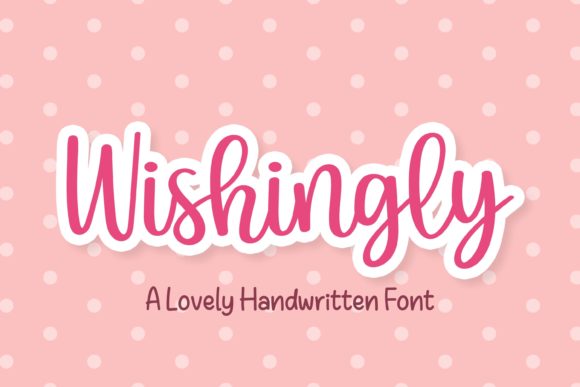
Wishingly is a flowing handwritten font with an elegant touch, perfect for projects that need a personal, artistic flair. It has this soft, almost fluid quality that feels like it was written by hand, yet it’s consistent enough for professional use. The curves are smooth, the strokes vary just enough to feel natural, and the overall style is timeless—like something you’d see in a vintage book or a handwritten letter.
I started by placing it on a logo draft. The first thing I noticed was how it added a sense of movement and warmth. It wasn’t too ornate, but it had enough personality to stand out. I tried it on a few different mockups—packaging, social media graphics, even a business card—and each time it felt right. It worked well as a headline font, giving a project a sense of elegance without being overwhelming.
One of the things I love about Wishingly is how it balances creativity with professionalism. It’s not the kind of font you’d use for body text, but as a display or accent font, it shines. It pairs beautifully with serif or sans serif fonts, creating a nice contrast that helps with visual hierarchy. For example, using it alongside a clean sans serif for headings and subheadings can create a modern yet approachable look.
When working on a branding project, I always test fonts in real-world scenarios. I made a mockup of a café menu and placed Wishingly on the title. It looked great, adding a touch of sophistication without clashing with the rest of the design. I also tried it on a label sticker for a product box. The way the letters flow together gave it a handmade, artisanal feel that matched the client’s vision perfectly.
Readability is always a concern with script fonts, but Wishingly handles it well. It’s designed with clarity in mind, making it suitable for short-form text like headlines, logos, and signage. I tested it on a shop sign and found it legible from a distance, which is crucial for any retail space. It also works well in digital formats, like website headers or Instagram posts, where a little personality goes a long way.
Another thing I appreciate about Wishingly is its versatility. It comes in multiple weights and styles, which gives me more options when building a brand system. Whether I’m designing a flyer, a poster, or a printed marketing piece, there’s always a version of the font that fits the needs of the project. It also includes alternates and ligatures, which add a level of customization that’s useful for unique design touches.
When I’m working with clients, I always recommend testing a font before committing to it. Wishingly is no exception. I suggest trying it in different sizes and contexts to see how it behaves. For instance, using it in a small size on a product label might look different than when it’s used as a large headline. It’s also worth checking how it looks in different languages, especially if the brand is targeting a global audience.
Wishingly is part of the Script Amp collection, which means it’s built with designers in mind. The file formats are standard, and the commercial licensing is clear, making it easy to integrate into any project. As a premium font, it offers a level of quality that’s hard to beat, especially for creative professionals who want to elevate their work.
One of the most practical things I’ve learned is that Wishingly works best when used intentionally. It’s not a one-size-fits-all font, but when placed correctly, it adds a lot of character. I’ve used it in everything from packaging design to editorial layouts, and it always feels right. It’s the kind of font that makes a brand feel more human, more authentic.
If you’re looking for a font that brings a sense of warmth and elegance to your designs, Wishingly is definitely worth considering. It’s a great choice for anything that needs a personal touch—whether it’s a small business, a boutique, or a creative studio. Its flowing style and timeless appeal make it a go-to font for many branding projects.
As I wrapped up the café project, I couldn’t help but think about how much I enjoyed working with Wishingly. It wasn’t just about the look—it was about the feeling it brought to the design. It made the brand feel more connected, more alive. And that’s what good typography should do: it shouldn’t just look good, it should feel right.