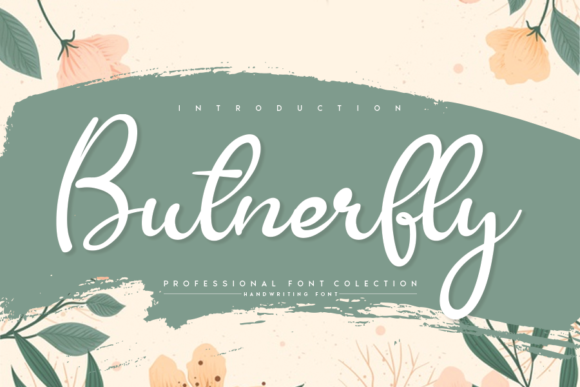
Butnerfly Font: Elegant Script for Web Design
As a web designer, finding the right font can transform a layout from ordinary to extraordinary. Butnerfly is a script font that brings a touch of elegance and authenticity to digital design. Its timeless style makes it ideal for headers, logos, and decorative elements across websites and online content.
Butnerfly blends classic calligraphy with modern usability, making it a versatile choice for designers looking to add a personal touch to their projects. Whether you're working on a landing page, an online store, or a brand identity, this font offers a unique visual appeal that stands out without sacrificing readability.
Visual Characteristics and Digital Appeal
Butnerfly features fluid strokes and subtle flourishes that give it a handcrafted feel. The font’s personality is warm and inviting, making it perfect for brands that want to convey creativity, professionalism, or a sense of artistry. Its delicate curves and consistent weight make it suitable for both large display text and smaller decorative elements.
When used in headers or hero sections, Butnerfly adds a refined touch that complements modern UIs. It pairs well with clean, minimalistic designs, allowing it to shine without overwhelming the layout. The font’s structure ensures it remains legible even at larger sizes, which is crucial for user experience and visual hierarchy.
Applications in Web Design
Butnerfly excels in areas where visual impact matters most. On a creative portfolio site, it can be used for project titles or artist names, adding a personal and artistic flair. In an online boutique, it works well for banners, product headings, or taglines, enhancing the overall aesthetic without distracting from the content.
For a coaching website, Butnerfly can be used in headlines or CTA buttons to create a sense of trust and authority. On a course sales page, it helps highlight key benefits or unique selling points, drawing attention while maintaining a professional tone. Its versatility allows it to adapt to various design contexts, from editorial layouts to social media graphics.
Readability and Layout Considerations
While Butnerfly is a display font, it’s important to use it strategically for optimal readability. On mobile screens, keep text size above 24px to ensure clarity. For responsive layouts, avoid using it in body copy, as its intricate details may become hard to read on smaller devices.
When placing Butnerfly on dark backgrounds, consider increasing contrast with a light color or adding a subtle drop shadow. On light backgrounds, ensure the font has enough weight to stand out without appearing too bold. For image overlays, pair it with solid colors or transparent backgrounds to maintain legibility.
Font Pairing and Brand Identity
Pairing Butnerfly with a simple sans serif or serif font creates a balanced design. A clean sans serif like Roboto or Open Sans can serve as a strong counterpoint, offering readability for body text while letting Butnerfly take center stage in headings or accents. For a more traditional look, pairing it with a serif font like Georgia or Playfair Display can enhance the editorial feel of a site.
In branding, Butnerfly can be used for logo text, social media handles, or signature elements. Its elegant style supports a cohesive visual language that reinforces brand personality. When combined with other design assets, it helps create a unified and memorable online presence.
Practical Use Cases
Consider using Butnerfly in a blog header to set a sophisticated tone. For a digital product launch, it can be used in CTA buttons or feature highlights, guiding users through the content. In a SaaS landing page, it adds a human touch to headlines, making the brand feel more approachable and trustworthy.
On a course sales page, Butnerfly can emphasize key phrases like “Enroll Now” or “Start Today,” creating urgency and visual interest. In a portfolio site, it can be used for project titles or client names, adding a personal and artistic dimension to the design.
Commercial Licensing and File Formats
When using Butnerfly for commercial projects, ensure you have the proper licensing for websites, client work, or online stores. Check if the font includes webfont formats like WOFF or WOFF2, which are essential for fast and efficient loading on digital platforms.
Look for variations such as regular, bold, or alternate glyphs to expand your design options. Multilingual support is also important if your audience speaks different languages, ensuring the font works seamlessly across regions and cultures.
Conclusion
Butnerfly is a powerful tool for web designers and digital creators who want to elevate their typography. Its blend of elegance and usability makes it a valuable addition to any design toolkit. Whether you're working on a creative portfolio, an online store, or a branded web experience, this font helps establish a strong visual identity that resonates with users.
By understanding how to use Butnerfly effectively, you can enhance readability, improve user engagement, and create a more polished and professional digital presence. With careful application and thoughtful pairing, this script font can become a cornerstone of your design system.